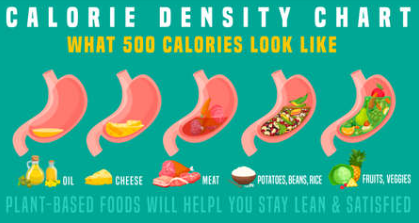
Calorie density is related to the weight and volume of food. It is also known as energy density, measured as calories per 100 grams of the food. Understanding how calorie density works can help you lose weight and improve your health.
Generally, whole-plant foods are significantly lower in calorie density than processed foods or animal products. For instance, take a large head of lettuce, usually the base of our salads; a large head of lettuce is approximately 109 calories, while a cup of oil contains about 1,910 calories per pound.
Should you have a diet based on fruits, vegetables, starchy vegetables, whole grains, and legumes, your meal calorie density will usually average about 500 or less. This eating habit will provide the correct calories and the appropriate amount of food to keep you feeling satiated and help you obtain and maintain healthy body weight.
Do you need help with choosing low-calorie dense foods?
Let’s talk! Schedule an initial complimentary consultation with me today—or pass this offer on to someone you love! simone@saenutrition.com – www.saenutrition.com

 SAE Nutrtion