Food Cravings Cause And How To Reduce Them.

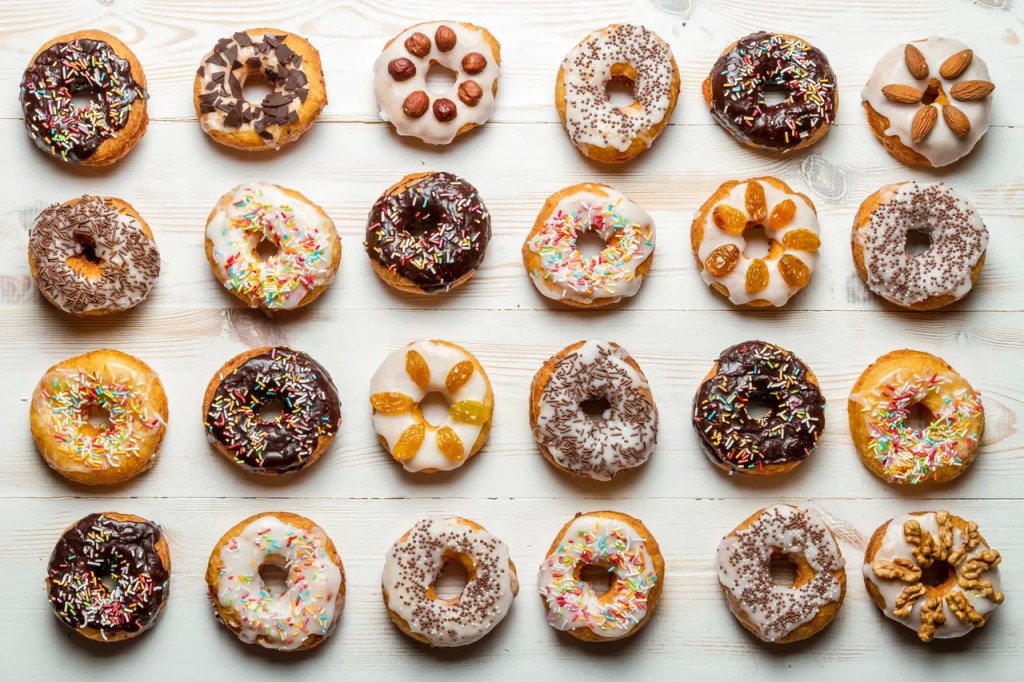
Cravings happen to all of us at some point, and about 90% of us experience them. It usually occurs when we feel some form of emotion, are stressed, or missing some vital nutrient in our diet. We mostly crave processed foods high in sugar and unhealthy fats, which can lead to adverse health.

Food cravings can sometimes be overwhelming, and you may feel like you have no control. But more often than not, you can control your food cravings if you spend some time figuring out the cause. Finding the source of your food cravings is essential to prevent them, and one way to do that is by keeping a food-mood journal to add how you are feeling at the time of your craving. I recommend doing this for about two weeks to understand your triggers better.

After journaling, most people find out that they are experiencing a high amount of stress. Stress is the most common cause of cravings, and this is the time when our serotonin is at its weakest. Serotonin is known as the “Happy Chemical” and has a lot of functions in the brain. When our hormones are imbalanced due to stress, it can lead to cravings.

According to a study in PubMed, chronic stress increases food cravings, leading to a higher body mass index (BMI). So stress is also responsible for weight, even if you don’t have any food cravings. When we are overwhelmed, we tend to overeat, so we need to recognize our stressors and take action. This WebMD article provides ten tips to manage stress.

Water deficiency can also cause cravings. The same stimulation you feel when hungry, you also experience when you are thirsty. Therefore, drinking more water can decrease food cravings. Drinking 8 ounces of water daily, which equals about 2 liters, or half a gallon a day, is recommended.

Protein deficiency also causes cravings. Therefore, having a healthy protein diet will help with food cravings by suppressing appetite and reducing ghrelin, a hormone related to hunger. As protein is an essential part of our diet, we (adults) should consume approximately 50 grams of protein a day

Avoiding hunger will help to reduce cravings. Going through your day, forgetting to eat will cause significant hunger, and you are most likely to grab the first thing you see, which tends to be more calorie-dense foods such as fried or processed foods. Therefore, it is essential to snack throughout the day to curve your cravings. In addition, having ready-made healthy snacks in your bag, desk, or car will help you to avoid hunger-induced cravings.

Will you experience cravings from time to time? Sure! But you can control those cravings by reducing stress, staying hydrated, and having healthy on-the-go snacks.

Want some snack ideas and recipes? Let’s talk! 

Schedule a complimentary consultation with me today—or pass this offer on to someone you love! simone@saenutrition.com
5 Ways to Snack Smarter

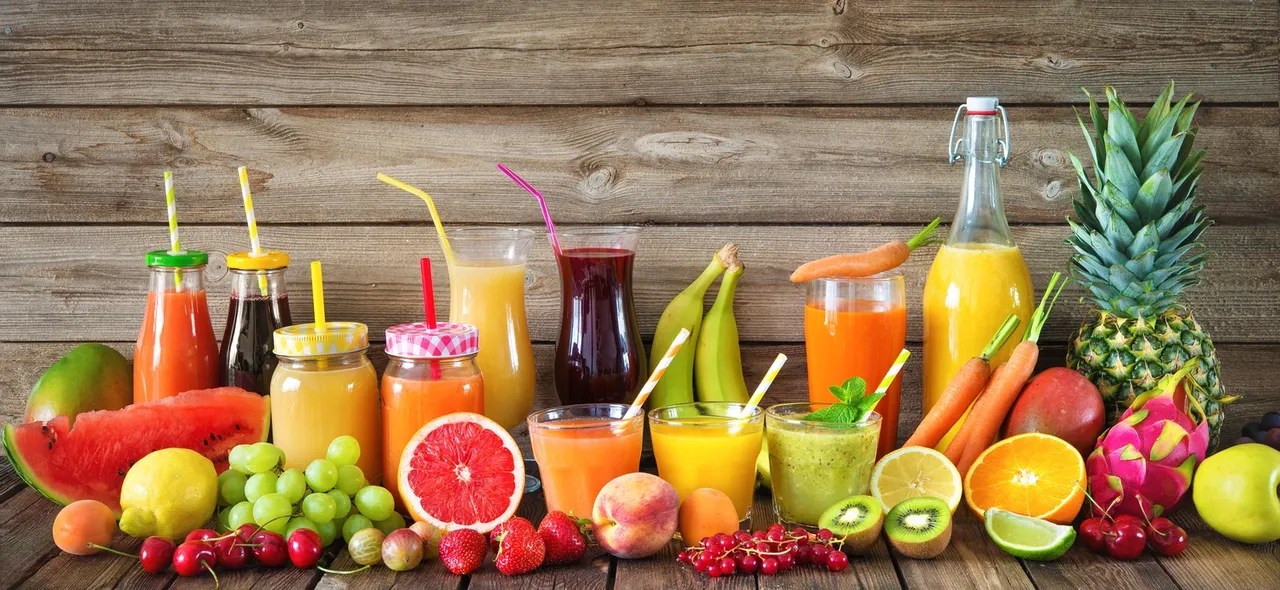
Snacking between meals is an ideal way not to overeat. However, choosing the right snack to boost your energy and beat the afternoon slump is essential since snacking on foods with little to non-nutritional value will likely result in overeating and weight gain.

  1. Fill nutritional gaps: You should make your snack count. Most of us don’t eat enough fruits and vegetables, so consider choosing to snack on carrots with a bit of peanut butter or overnight oatmeal with fruits (blueberries or strawberries). This is a perfect mid-day snack – Overnight oatmeal recipe link.

  2. Snack on citrus: Grapefruit is great for a snack and may be helpful with shedding some weight. Although eating grapefruit strictly to lose weight is not ideal, having it as a snack will help you feel full, reducing overeating. If grapefruit taste bitter to you, you can add a little bit of agave syrup or honey with a dash of cinnamon.

  3. Combine your protein and carbohydrates: Eat roasted chickpeas or drink an orange almond smoothie; Both are good snacks rich in protein, carbohydrates, and fiber. A diet rich in fiber may assist you with losing weight, carbohydrates provide your body and brain with loads of energy, and protein-rich foods fill you up.

  4. Pick your midnight snacks wisely: If you had a light dinner and you need a little before-bed snack, you should choose foods that have melatonin, such as pineapple, grapes, and strawberries. Kiwi is another delicious fruit that is satisfying to your taste bud and tummy and can better your sleep. According to an article in the National Library of Medicine (NIH), “Consuming kiwifruit could improve sleep, duration, and efficiency in adults with self-reported sleep disturbances.”

  5. Keep chewing your snacks: Chewing your snack thoroughly will slow your eating pace and reduce the number of calories you intake. It also allows you to enjoy your snack. Want some snack ideas and recipes? Let’s talk!

What is Calorie Density, and why should we care?

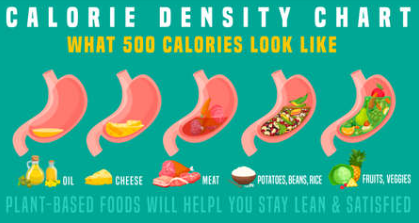
Calorie density is related to the weight and volume of food. It is also known as energy density, measured as calories per 100 grams of the food. Understanding how calorie density works can help you lose weight and improve your health.

Generally, whole-plant foods are significantly lower in calorie density than processed foods or animal products. For instance, take a large head of lettuce, usually the base of our salads; a large head of lettuce is approximately 109 calories, while a cup of oil contains about 1,910 calories per pound.

Should you have a diet based on fruits, vegetables, starchy vegetables, whole grains, and legumes, your meal calorie density will usually average about 500 or less. This eating habit will provide the correct calories and the appropriate amount of food to keep you feeling satiated and help you obtain and maintain healthy body weight. 

Do you need help with choosing low-calorie dense foods? 

Let’s talk! Schedule an initial complimentary consultation with me today—or pass this offer on to someone you love! simone@saenutrition.comwww.saenutrition.com

Go beyond the salad

When you think about healthy eating, salads and green vegetables, usually come to mind. But how about adding a little more variety to your plan? Roots like carrots, sweet potatoes, and turnips are a rich source of nutritious complex carbohydrates. Instead of upsetting blood sugar levels like refined sweet foods, they help regulate them.

Why Eat More Root Veggies? Long roots – carrots, parsnips, burdock, and daikon radish – are excellent blood purifiers and can help improve circulation in the body. Round roots – turnips, radishes, beets, and rutabagas – nourish the stomach, spleen, pancreas, and reproductive organs.

Which root vegetables do you eat most?

If you’re like most of the world, it’s carrots and potatoes. Here are a few others to explore:

Beets contain an abundance of antioxidants and are highly detoxifying.

Burdock is considered a powerful blood purifier. This long, thin veggie is a staple in Asian and health food stores.

Celeriac, also known as celery root, is rich in fiber and with a respectable amount of antioxidants.

Jicama is crunchy and refreshing and contains a generous amount of vitamin C. It’s a favorite in its native Mexico and South America.

Onions are rich in antioxidants and other phytonutrients, making them prized for their ability to strengthen the immune system.

Parsnips, which look like giant white carrots, boast a sweet, earthy taste. They also have plenty of fiber, vitamin C, folic acid, niacin, thiamine, magnesium, and potassium.

Radish is an excellent source of vitamin C. It’s also rich in calcium, molybdenum, and folic acid.

Sweet Potatoes contain unsurpassed levels of beta-carotene and are also rich in vitamin C, phytonutrients, and fiber.

Excited to add more roots to your diet? Here’s a fun, easy recipe:

Roasted Root Vegetables
Prep time: 10 minutes
Cooking time: 25-35 minutes
Serves 4 to 6

1 sweet potato
2 parsnips
2 carrots
2 turnips or 1 large rutabaga
1 daikon radish (or substitute/add in other favorites, like squash)
extra virgin olive oil
salt and pepper
herbs: rosemary, thyme, or sage (fresh if possible)

Preheat the oven to 375 degrees.

Wash and dice all vegetables into bite-sized cubes.

Place in a large baking dish with sides.

Drizzle with olive oil; mix well to coat each vegetable lightly with oil.
Sprinkle with salt, pepper, and herbs.

Bake uncovered for 25-35 minutes until vegetables are tender and golden brown, checking every 10 minutes to stir and ensure veggies are not sticking.

Tip: Any combination of vegetables will work. Roasting only one kind of vegetable also makes an excellent side dish.

GET EVEN HEALTHIER!

Are you curious about how to choose root vegetables and other nutritious foods? Would you like help being as healthy as you can? Let’s talk! Schedule an initial complimentary consultation with me today—or pass this offer on to someone you care about! https://www.saenutrition.com

Dear White People: Stop telling us we need to get over it…

It’s a major pet peeve of mine when people try to minimize another person’s pain by telling them that “they need to get over it.” It gets me riled up! Everyone gets over a particular experience in his or her own time.

I had a conversation with a person I consider a friend, a white woman, about Meghan and Harry’s interview with Oprah. Now I haven’t watched the interview, but I’ve seen a few snippets on some late-night shows, and so I was curious about what my friend thought about the interview, but I was not ready for her response.

Over the past four years, topics around racism have been on the rise, exposed, if you will. The things that people in the higher Caste (white people) would hide and discuss amongst themselves, especially those that live in more diverse communities or those who consider themselves liberals, are being exposed. Their racist acts disclosed in a couple of ways, 1. them telling on themselves, or 2. they are documented saying racist shit. We, black people, are also exposing them by being vocal about systemic racism, and now everyone is losing their shit. “Why can’t they get over it!”

So, back to the conversation I was having with my friend, well, we were walking our dogs, and she brought up a spoof that Stephen Colbert did on his show about President Biden’s dog interviewed by Oprah. We laughed, and then I asked her if she saw the interview, at which point she looked at me and rolled her eyes. I was a little taken aback by her rolling her eyes, but I fully respect her right to react to something she may have issues with. I chuckled at how skilled her eye-rolling technique is.

Nonetheless, I was not ready for her comments. My friend began to convey her dislike for what Meaghan had to say about her experiences with the Royal family. She started by saying that she thinks Meghan wants attention and that she, Meghan, should get over it. She continued, saying that Meghan should know what she was getting into; it’s Britain, after all. She also thought that Meghan mentioning that someone discussed what color her baby would be, was much to do about nothing.

Her statements shocked me for a minute, but I quickly realized that I needed to set her straight, and so I said, Meghan, has a right to share her story just like everyone else. Her story is an important one. You or anyone else cannot tell her to get over it. I said, forget about her color if that helps. Think about her as a woman, a pregnant woman with all the emotions associated with that. Now can you have empathy for her? I said I think it just comes down to us having compassion for each other’s pain.

There was so much I wanted to say to my friend, but I could tell she wouldn’t be able to handle it, and so I walked away feeling unresolved. Now here I am a few days later, still thinking about it. I will have that conversation with my friend again because I need to let her know that when it comes to the trauma of black people/women, we don’t need to hear how you feel that we need to get over it.

Just shut the fuck up and let us heal on our own time.

Postpartum Depression in Black Women: A Silent Epidemic

Summary

In this episode, my friend Esther shared her experience with postpartum depression. For most women, the experience of pregnancy and welcoming a new baby into their family is a joyous occasion. However, when Esther found out she was pregnant in 2006 with her second child with a partner she no longer wanted to be with, she found herself feeling angry, alone, fearful, and sad. Those feelings increased after she gave birth to her son. Esther shared how she found herself crying all the time and how she had thoughts of hurting her baby.

Postpartum depression has quickly become a silent epidemic for black mothers. Black women are experiencing higher rates of depression compared with the general population. There are many factors why PPD is impacting black mothers, which I discussed in this episode.

Here are some links that provide useful information on postpartum depression (PPD).

https://www.blackwomenbirthingjustice.com/

https://postpartumprogress.com/

Our Work

Home

Send in a voice message: https://anchor.fm/simone-edwards/message

How Chronic Illness Impact Black Women in the Workplace

Summary

In this episode, my guest Antoinette discusses her experience working in a high-level organization while dealing with Lupus. Antoinette shares how her boss treated her unfairly once her lupus flared-up and she needed medical attention. Antoinette is a highly educated black woman with experience in her field, was made to feel incompetent and slow while at work. She received very little to none compassion regarding her health. Unfortunately, her story is not unique to many black women and so I’m honored to have had the opportunity to speak with Antoinette.

https://www.lupus.org/news/black-women-develop-lupus-at-younger-age-with-more-lifethreatening-complications

https://www.self.com/story/lupus-women-of-color

https://www.bustle.com/p/lupus-affects-more-women-of-color-than-white-women-heres-why-2343812

May Is Lupus Awareness Month

Send in a voice message: https://anchor.fm/simone-edwards/message

Systemic trauma in Corporate America!

Summary

In this episode, my guest Adeola shares her experience working in corporate America, in a high-level position. How her trauma manifested itself in her mind, body, and spirit. She also shared how she reclaimed her identity and began to strengthen her mental, physical and spiritual health.💗 Here are the links to the wonderful black women healers that Adeola mentioned. These women are providing healing in the Black Indigenous People of Color community through breathwork & reiki, yoga, and tarot & astrology. naayawellness.com – DiveInWell.com – thewokemystix.com

Send in a voice message: https://anchor.fm/simone-edwards/message

Systemic trauma And How It Impacts The Health And Wellbeing Of Black Women

Summary

How white women can move about this world being their authentic selves without being seen as angry, violent and scary.

Send in a voice message: https://anchor.fm/simone-edwards/message

Systemic Trauma And How It Impacts The Health & Wellbeing Of Black Women

Summary

This episode will be about White Privilege, specifically white women privilege. How white women move about this world being their authentic selves without being seen as angry, violent and scary.

Send in a voice message: https://anchor.fm/simone-edwards/message